From Overwhelmed to Empowered: Stories of Healing Through Compassionate Addiction & Mental Health Care

Feeling trapped by addiction or struggling with mental health challenges can leave anyone feeling overwhelmed, alone, and unsure where to turn. For many, the journey to recovery seems impossible until they encounter compassionate, comprehensive care that addresses both addiction and mental health. Through integrated programs, personalized treatment, and holistic support, individuals can move from a place of despair to one of empowerment, resilience, and hope.

Understanding the Challenges of Dual Diagnosis

What Is Dual Diagnosis

Dual diagnosis, also known as co-occurring disorders, refers to the simultaneous experience of a substance use disorder and a mental health condition. This can include depression, anxiety, trauma, or other mental health struggles. Each condition can intensify the other, creating a cycle that feels unbreakable. Recognizing the connection between addiction and mental health is the first step toward effective recovery.

Why Integrated Care Works

Treating addiction and mental health separately often leaves gaps in care. Integrated programs provide simultaneous support for both conditions, ensuring that one does not undermine progress in the other. Evidence shows that addressing both aspects together improves long-term outcomes, strengthens coping skills, and reduces the risk of relapse.

How Compassionate Care Transforms Lives

Personalized Treatment Plans

Recovery is not one-size-fits-all. Every individual has unique needs, experiences, and goals. Personalized treatment plans take into account a person’s mental health history, addiction patterns, and personal circumstances. These plans may include therapy, medical support, life skills coaching, and aftercare strategies. Tailored care increases engagement, builds confidence, and fosters sustainable recovery.

Inpatient and Outpatient Options

Depending on the severity of symptoms and personal circumstances, treatment can be delivered through inpatient or outpatient programs. Inpatient care provides round-the-clock support, creating a safe environment to focus entirely on recovery. Outpatient care offers flexibility for those who need to maintain daily responsibilities while receiving professional guidance. Both pathways are designed to meet individuals where they are and support them in moving forward.

Holistic and Faith-Based Approaches

Many programs incorporate holistic strategies to complement clinical care. Mindfulness, meditation, exercise, and nutrition support mental and physical well-being. Faith-based approaches provide spiritual guidance, community support, and a sense of purpose, which can be instrumental in maintaining motivation and resilience. Combining these approaches with professional treatment ensures that recovery addresses the whole person.

Real Stories of Transformation

Numerous individuals have moved from feeling powerless to empowered through compassionate, integrated care. Some found stability after years of struggling with addiction and untreated anxiety, while others regained confidence and purpose after combining medical treatment with holistic practices. Each success story reinforces the message that recovery is possible when care is personalized, comprehensive, and delivered with empathy.

Taking the First Step Toward Healing

  1. Reach Out for an Assessment: Professional evaluation helps determine the right combination of addiction and mental health support.
  2. Engage in a Supportive Environment: Group therapy, mentorship, and family counseling provide accountability and encouragement.
  3. Follow a Personalized Plan: Adhering to a tailored treatment plan ensures progress in both addiction recovery and mental health improvement.
  4. Incorporate Holistic Practices: Mindfulness, exercise, and spiritual guidance strengthen overall wellness and coping ability.
  5. Plan for Ongoing Support: Long-term counseling and community programs help maintain recovery and prevent relapse.

Empowerment Is Within Reach

Recovery from addiction and mental health challenges is possible with the right support. Compassionate, integrated care transforms lives by addressing both mental health and addiction, offering personalized guidance, and providing holistic strategies for sustainable recovery. If you or a loved one feels overwhelmed, reaching out for help is the first step toward empowerment, hope, and lasting healing. Support is available, and a stronger, healthier future can begin today.


Hope Starts Here: Real Support Options for Addiction Recovery and Co‑Occurring Mental Health Challenges

Struggling with addiction is hard enough on its own. When combined with mental health challenges, the path to recovery can feel overwhelming and isolating. Yet there is hope. Integrated addiction and mental health treatment offers real, compassionate support designed to address both challenges simultaneously. With professional guidance, personalized care plans, and holistic strategies, individuals can reclaim control over their lives and experience meaningful, lasting recovery.

Understanding Co-Occurring Disorders

What Are Co-Occurring Disorders

Co-occurring disorders, also known as dual diagnosis, occur when someone experiences both a substance use disorder and a mental health condition, such as depression, anxiety, or trauma. These conditions often feed into each other. For example, someone may use substances to cope with untreated depression, which can worsen both the mental health condition and the addiction over time. Addressing both simultaneously is essential for effective recovery.

Why Integrated Treatment Matters

Traditional treatment that focuses only on addiction or mental health separately may leave gaps in care. Integrated programs provide a comprehensive approach by treating both conditions at the same time. This ensures that mental health challenges are not overlooked while addressing substance use, leading to higher success rates and longer-lasting results.

Types of Support Available

Inpatient Care

Inpatient treatment provides 24/7 support in a structured, safe environment. It allows individuals to focus entirely on recovery without outside distractions. Inpatient programs often include therapy, medical monitoring, and skill-building exercises, creating a strong foundation for long-term success.

Outpatient Care

Outpatient programs offer flexibility for those who need treatment but cannot commit to full-time residential care. These programs provide therapy, group support, and medical supervision while allowing individuals to maintain work, school, or family responsibilities. Outpatient care is ideal for continuing recovery after inpatient treatment or for those with milder conditions.

Holistic and Faith-Based Approaches

Many integrated programs incorporate holistic strategies, such as mindfulness, meditation, nutrition counseling, and exercise. These practices support mental and physical wellness, reduce stress, and improve overall resilience. Faith-based approaches offer spiritual guidance and community support, which can be a powerful motivator during the recovery process. Combined with clinical care, these strategies help individuals heal on multiple levels.

Personalized Treatment Plans

Every recovery journey is unique. Integrated programs emphasize individualized care, creating treatment plans tailored to each person’s specific needs, challenges, and goals. Personalized plans may include therapy sessions, medical interventions, life skills training, and aftercare strategies to prevent relapse. By addressing the whole person, not just the symptoms, these programs maximize the chances of lasting recovery.

Taking the First Step Toward Recovery

  1. Reach Out for Professional Assessment: The first step is connecting with trained specialists who can evaluate your needs and recommend a suitable program.
  2. Engage in Supportive Services: Group therapy, family counseling, and mentorship programs provide encouragement, accountability, and practical guidance.
  3. Commit to a Treatment Plan: Following a structured plan improves coping skills and strengthens recovery habits.
  4. Incorporate Holistic Practices: Activities like meditation, journaling, and exercise complement clinical care and enhance mental wellness.
  5. Plan for Long-Term Support: Ongoing counseling and community programs help maintain progress and prevent relapse.

There Is Hope

Recovery from addiction and co-occurring mental health challenges is possible. Integrated treatment programs combine compassionate care, professional expertise, and holistic strategies to address the whole person. No matter how difficult the struggle may seem, there are real support options available to guide individuals toward a healthier, more balanced life. Taking the first step and reaching out for help is the most important action you can take today. Support, guidance, and lasting recovery are within reach.

Finding Strength in the Struggle: How Integrated Addiction and Mental Health Support Transforms Lives

Addiction and mental health challenges often go hand in hand, creating a cycle that can feel overwhelming and isolating. For those struggling, the path to recovery may seem impossible at times. However, integrated addiction and mental health treatment provides a compassionate, evidence-based approach that addresses the whole person. By combining personalized care, professional guidance, and supportive environments, individuals can reclaim control over their lives and find lasting hope.

Understanding the Connection Between Addiction and Mental Health

Many people do not realize that addiction and mental health conditions are closely linked. Mental health disorders such as depression, anxiety, or trauma can increase vulnerability to substance abuse. Conversely, prolonged substance use can worsen mental health symptoms, creating a dual challenge. Treating one without addressing the other often leads to incomplete recovery. Integrated programs recognize this connection, offering simultaneous treatment for both mental health and addiction to ensure the best possible outcomes.

The Benefits of Integrated Treatment

Comprehensive Care

Integrated treatment programs provide a full spectrum of services, including medical supervision, therapy, counseling, and holistic interventions. By addressing physical, emotional, and psychological needs, these programs help individuals heal on multiple levels.

Individualized Approach

No two recovery journeys are the same. Personalized treatment plans consider a person’s history, mental health status, and personal goals. Tailored care improves engagement, enhances coping skills, and strengthens long-term recovery success.

Inpatient and Outpatient Options

Whether someone requires intensive supervision or prefers the flexibility of outpatient care, integrated programs offer options to fit different needs. Inpatient care provides 24/7 support, while outpatient programs allow individuals to maintain daily responsibilities while receiving treatment.

Holistic and Faith-Based Approaches

Many people benefit from approaches that go beyond traditional therapy. Holistic treatments, such as mindfulness, meditation, and exercise, support emotional regulation and stress management. Faith-based programs offer spiritual guidance and community, which can reinforce purpose and motivation during recovery. Combining these strategies with professional mental health and addiction treatment creates a balanced, sustainable path to healing.

Practical Steps to Start Recovery

  1. Reach Out for Assessment: Seeking professional evaluation helps identify co-occurring disorders and the best treatment plan.
  2. Engage in a Supportive Environment: Group therapy, mentorship, and family involvement foster accountability and encouragement.
  3. Commit to a Personalized Plan: Following a treatment plan designed around your unique needs improves the chances of lasting recovery.
  4. Integrate Holistic Practices: Nutrition, exercise, and mindfulness techniques complement clinical care and promote overall wellness.
  5. Continue Support Post-Treatment: Ongoing counseling and community programs prevent relapse and reinforce positive coping strategies.

Success Stories and Transformation

Countless individuals have experienced profound transformation through integrated care. By simultaneously addressing addiction and mental health, they regain stability, rebuild relationships, and rediscover purpose. Recovery is not simply the absence of substance use; it is the restoration of a meaningful, balanced life.

Take the First Step Toward Healing

If you or a loved one is struggling with addiction and mental health challenges, remember that help is available. Integrated treatment programs provide compassionate, evidence-based care designed to meet you where you are and guide you toward a healthier, more fulfilling future. Reaching out for support is the first step toward strength, recovery, and hope.

A Day in the Life of Recovery: Practical Routines for Mental Health and Addiction Wellness

Recovery from addiction and mental health challenges is not just about attending therapy sessions or taking medications. It is about creating daily routines that support emotional balance, physical health, and mental wellness. A structured, mindful day can help individuals maintain sobriety, manage stress, and build resilience. At Addiction & Mental Health, we provide guidance and personalized care to help clients develop routines that foster lasting recovery and holistic well-being.

Morning Routines for a Strong Start

Starting the day with intention

Beginning the day with purpose sets a positive tone. Many clients find that incorporating mindfulness practices, such as meditation, deep breathing, or prayer, helps center their thoughts and reduce anxiety. Journaling or setting daily goals can also provide clarity and focus, reinforcing motivation for recovery.

Physical activity and nutrition

Exercise plays a vital role in mental and physical health. Morning workouts, stretching, or yoga help release stress, improve mood, and increase energy levels. A balanced breakfast fuels the body and supports cognitive function, helping clients tackle the day with clarity and strength.

Midday Practices to Maintain Balance

Structured therapy and skill-building

Outpatient appointments or therapy sessions often occur in the morning or midday. These sessions provide practical tools for managing triggers, addressing underlying mental health issues, and reinforcing coping strategies. Engaging fully in therapy helps clients apply these skills in real-world situations.

Mindful breaks and social connection

Taking breaks during the day to relax, practice mindfulness, or connect with supportive peers or family members helps maintain emotional balance. Positive social interactions reduce isolation, provide encouragement, and strengthen motivation to stay committed to recovery.

Evening Routines for Reflection and Self-Care

Wind-down practices

Evening routines help signal the body and mind that the day is ending. Clients benefit from reading, meditating, or engaging in creative hobbies that promote relaxation. Limiting screen time and practicing gratitude can improve sleep quality and emotional regulation.

Planning for tomorrow

Setting intentions for the following day reinforces structure and consistency. Planning meals, therapy appointments, and self-care activities helps maintain stability and reduces stress, making it easier to stick with recovery goals.

Integrating Holistic and Faith-Based Practices

Holistic approaches, including mindfulness, nutrition, exercise, and relaxation techniques, enhance the effectiveness of daily routines. For those seeking spiritual guidance, faith-based practices such as prayer or attending spiritual groups provide purpose, hope, and community support. Together, these practices nurture the mind, body, and spirit, reinforcing a comprehensive approach to wellness.

Consistency as the Key to Long-Term Success

Recovery is built on consistency. Daily routines create a sense of predictability, reduce stress, and reinforce healthy habits. By following structured practices and integrating holistic and faith-based care, clients develop resilience, confidence, and a deeper sense of control over their lives.

Take the First Step Toward Your Daily Recovery Routine

If you or a loved one are navigating addiction or mental health challenges, establishing a structured daily routine is an essential part of long-term success. At Addiction & Mental Health, our team offers compassionate guidance, individualized care, and holistic support to help clients thrive each day. Reach out today to start building routines that promote wellness, stability, and a brighter future. Recovery is a journey, and every day offers an opportunity for growth and healing.

Breaking Free From the Shame Cycle: How Personalized Care Changes the Addiction Story

Shame is one of the most powerful barriers to recovery from addiction. Many individuals feel trapped in a cycle of guilt, self-blame, and secrecy, which can prevent them from seeking help or fully engaging in treatment. Personalized care can break this cycle, providing support tailored to individual needs and experiences. At Addiction & Mental Health, we combine compassionate therapy, holistic approaches, and faith-based guidance to help clients rebuild self-esteem, reclaim their lives, and embrace hope.

Understanding the Shame Cycle in Addiction

How shame affects recovery

Shame often leads to isolation, secrecy, and continued substance use. Individuals may feel unworthy of help or believe their addiction defines them. This negative self-perception can create a loop where shame fuels substance use, and substance use deepens shame. Recognizing this cycle is the first step toward breaking free.

The impact on mental health

Shame does not only influence behavior; it also affects emotional and psychological well-being. Chronic shame can exacerbate depression, anxiety, and stress, making recovery more challenging. Addressing both addiction and the emotional weight of shame is critical to achieving lasting wellness.

The Role of Personalized Care

Individualized treatment plans

Personalized care recognizes that each person’s story, triggers, and needs are unique. At Addiction & Mental Health, our team creates individualized treatment plans that combine therapy, medication management if necessary, and holistic interventions. By tailoring care, clients receive the support that resonates with their experiences and fosters meaningful change.

Holistic and faith-based approaches

Healing goes beyond therapy alone. Holistic practices such as mindfulness, meditation, exercise, and nutrition enhance emotional and physical well-being. For those seeking spiritual support, faith-based guidance can provide purpose, hope, and a sense of community. Together, these approaches strengthen resilience and reinforce the belief that recovery is possible.

Breaking the Cycle Through Therapy and Support

Evidence-based therapy

Cognitive behavioral therapy, trauma-informed care, and group counseling help clients confront shame, identify triggers, and develop healthier coping mechanisms. Therapy creates a safe space to explore emotions and rebuild self-worth, empowering clients to make positive choices and maintain sobriety.

Building a support network

Support from peers, family, and professionals is vital. Sharing experiences with others who understand addiction fosters connection and reduces isolation. Structured support groups and ongoing counseling offer accountability, encouragement, and practical guidance as clients navigate recovery.

Moving Toward a New Narrative

Breaking free from shame allows individuals to rewrite their addiction story. Personalized care encourages self-compassion, acceptance, and empowerment, helping clients focus on growth rather than guilt. This shift transforms recovery from a struggle into a journey of healing and self-discovery.

Practical steps for overcoming shame in recovery

  • Acknowledge and name shame: Recognize its presence without judgment.
  • Engage in personalized therapy: Tailored strategies address individual triggers and patterns.
  • Practice self-care: Mindfulness, exercise, and nutrition support emotional well-being.
  • Seek faith-based or spiritual guidance: Strengthen resilience and purpose.
  • Build supportive relationships: Lean on trusted friends, family, and recovery communities.

Take the First Step Toward Freedom

Recovery is possible when shame is addressed and individualized support is provided. At Addiction & Mental Health, our compassionate team guides clients through every stage of recovery, offering holistic, faith-based, and personalized care. If you or a loved one are ready to break the cycle of shame and embrace hope, reach out today. A renewed sense of self, purpose, and wellness is within reach.

Holistic Healing for Co-Occurring Disorders: Faith-Based Paths to Wellness

Individuals struggling with both addiction and mental health disorders often face unique and complex challenges. Co-occurring disorders require care that addresses the whole person, including their mind, body, and spirit. Holistic healing, particularly when combined with faith-based approaches, can provide a powerful path to wellness. At Addiction & Mental Health, we offer individualized programs that integrate clinical treatment with spiritual and holistic support, helping clients achieve long-lasting recovery and balance.

Understanding Co-Occurring Disorders

The challenges of dual diagnosis

Co-occurring disorders, also known as dual diagnosis, occur when an individual experiences both a substance use disorder and a mental health condition, such as depression, anxiety, or trauma. These intertwined challenges can make recovery more complex, as each condition can exacerbate the other. Without comprehensive care, symptoms may persist, and the risk of relapse increases.

Why integrated treatment is essential

Addressing both conditions simultaneously ensures that treatment is effective and lasting. Clients benefit from therapies that target addiction while also managing mental health symptoms, allowing them to break destructive cycles and build healthier habits.

Holistic Approaches to Recovery

Treating the mind, body, and spirit

Holistic healing emphasizes the interconnectedness of the mind, body, and spirit. Clients engage in therapies and practices designed to foster balance and overall well-being. Common elements of holistic care include mindfulness, meditation, exercise, nutritional guidance, and stress reduction techniques. By incorporating these practices, clients gain tools to manage triggers, reduce anxiety, and strengthen resilience.

Complementing clinical care

Holistic methods are not replacements for evidence-based treatment but serve as powerful complements. Therapy, counseling, and medication management work alongside holistic practices to ensure a comprehensive approach to recovery. This combination empowers clients to address the root causes of their struggles while developing practical coping strategies for daily life.

The Role of Faith-Based Support

Spiritual guidance in recovery

For many individuals, faith provides strength, purpose, and community. Faith-based approaches integrate spiritual guidance with traditional treatment, offering additional avenues for healing. This may include prayer, meditation, spiritual counseling, or participation in supportive faith communities. Spiritual care can instill hope, reinforce motivation, and promote emotional and psychological resilience.

Personalized spiritual care

At Addiction & Mental Health, faith-based support is tailored to each client’s beliefs and values. This personalized approach ensures that spiritual guidance complements therapy and holistic practices, creating a nurturing environment for recovery and growth.

Achieving Lasting Wellness

Recovery from co-occurring disorders is a journey of building stability, resilience, and self-awareness. Holistic and faith-based practices help clients develop healthy routines, manage stress, and reconnect with their purpose. These approaches not only support sobriety but also foster overall mental and physical well-being, creating a sustainable foundation for long-term success.

Practical strategies for holistic recovery

  • Incorporate mindfulness and meditation: Reduce stress and increase emotional awareness.
  • Engage in physical activity: Support physical health and release tension.
  • Follow a balanced diet: Nutrition influences mood and energy levels.
  • Seek faith-based guidance: Spiritual support can provide meaning and encouragement.
  • Attend therapy regularly: Combine holistic practices with clinical care for comprehensive healing.

Take the First Step Toward Healing

Co-occurring disorders require a compassionate, integrated approach that addresses the whole person. Holistic and faith-based treatments offer hope, balance, and long-term wellness. At Addiction & Mental Health, our experienced team provides individualized programs designed to guide clients through every stage of recovery.

If you or a loved one are struggling with addiction and mental health challenges, reach out today. Discover a path to wellness that nurtures your mind, body, and spirit, and embrace the hope that leads to lasting recovery.

Why Outpatient Treatment Works: Finding Flexibility While Battling Addiction and Mental Illness

Starting the recovery journey often feels overwhelming, especially for individuals who are trying to balance work, family, and personal responsibilities. Many people believe that inpatient treatment is the only effective path to sobriety or mental wellness, but that is far from the full picture. Outpatient treatment offers a powerful and accessible way to heal while still maintaining a connection to daily life. At Addiction Mental Health, clients receive personalized, holistic, and faith-based support that meets them where they are and guides them toward lasting recovery.

The Value of Flexibility in Modern Recovery

Outpatient care has become an essential option for individuals who need consistent therapeutic support without stepping away from their responsibilities. It allows clients to receive structured treatment while still working, attending school, or caring for loved ones. This balanced approach not only encourages independence but also equips clients to practice new coping skills in real-world environments. This immediate application helps deepen progress and strengthens long-term stability.

Maintaining Life While Prioritizing Healing

In outpatient treatment, clients participate in scheduled therapy sessions, group support, educational workshops, and specialized services tailored to their needs. This creates a rhythm that supports healing without requiring a full break from life. Many clients appreciate that they can build a healthier routine while staying connected to their community, family, and support systems.

Personalized Care Designed Around Each Individual

One of the strongest advantages of outpatient treatment is how customizable it is. Everyone’s story, history, and goals look different, which means recovery must be individualized. Addiction Mental Health provides personalized treatment plans that address both addiction and co-occurring mental health challenges, including anxiety, depression, trauma, and stress.

Evidence-Based and Holistic Approaches

Outpatient care blends proven clinical therapies with holistic practices that nurture the mind, body, and spirit. Treatment may incorporate cognitive behavioral therapy, trauma-informed care, faith-based guidance, mindfulness practices, and nutritional support. This combination ensures clients receive effective, compassionate, and well-rounded care that fosters real growth.

Outpatient Treatment Supports the Transition to Independent Living

For many individuals leaving inpatient treatment, outpatient care becomes the next critical step. It provides ongoing accountability and support during a time when clients are learning how to rebuild routines and navigate triggers outside of a structured residential setting. This step-down approach significantly reduces the risk of relapse and offers clients the time and space to strengthen their confidence.

A Strong Support System for Long-Term Recovery

Recovery is not a single event. It is a continuous journey that requires encouragement, connection, and the right tools. Outpatient programs create a community where individuals can develop trust, build resilience, and share their progress with others who understand their experiences.

Outpatient Treatment Works Because It Meets You Where You Are

When treatment is adaptable and accessible, more people can begin their healing journey without fear of disruption. Outpatient programs remove barriers and offer a realistic path for those who feel overwhelmed at the thought of stepping away from their lives. With the right professional guidance and a supportive environment, clients can move forward with clarity and confidence.

Take the Next Step Toward Healing

If you or someone you love is searching for a flexible and effective path to recovery, outpatient treatment may be the right fit. Addiction Mental Health is committed to delivering compassionate, individualized care that helps clients break free from addiction and mental health struggles. Reach out today to learn how their team can support your next steps toward lasting wellness and stability.

From Inpatient to Independent: Transitioning Safely in Addiction & Mental Health Recovery

Completing an inpatient program for addiction and mental health challenges is a major milestone, but the journey does not end there. Transitioning safely from inpatient care to independent living requires careful planning, support, and ongoing strategies to maintain sobriety and mental wellness. At Addiction & Mental Health, we guide clients through this critical stage with personalized care that fosters confidence, resilience, and long-term recovery.

Understanding the Transition from Inpatient Care

The purpose of inpatient programs

Inpatient treatment provides a structured environment where individuals can focus fully on healing. With 24-hour supervision, therapy sessions, and holistic activities, clients receive intensive support to address addiction and mental health conditions. This immersive experience helps stabilize symptoms, develop coping skills, and lay the foundation for recovery.

Why transitioning matters

Leaving the structured support of inpatient care can be both exciting and challenging. Without careful planning, the risk of relapse or emotional setbacks increases. A successful transition ensures that individuals carry the tools, routines, and support systems from inpatient care into their daily lives, promoting continued growth and stability.

Strategies for a Successful Transition

Creating a personalized aftercare plan

An effective transition begins with an individualized aftercare plan. This plan typically includes outpatient therapy, support groups, relapse prevention strategies, and ongoing monitoring of mental health symptoms. Personalized plans help clients maintain accountability, continue skill development, and reinforce healthy habits learned during inpatient care.

Building a strong support network

Support from family, friends, and peers is essential during the transition. Encouraging open communication and creating a network of accountability helps clients navigate challenges and celebrate successes. Many individuals also benefit from community support programs and recovery groups that provide encouragement and practical guidance.

Practicing self-care and routine

Maintaining mental and physical well-being requires intentional routines. Incorporating regular exercise, balanced nutrition, mindfulness practices, and consistent sleep schedules supports emotional stability and reduces stress. These routines also reinforce the coping skills learned during inpatient treatment.

Holistic and Faith-Based Approaches

At Addiction & Mental Health, we emphasize healing the whole person—mind, body, and spirit. Holistic approaches, including meditation, yoga, and nutritional guidance, complement traditional therapy and help clients remain grounded during their transition. For those who desire spiritual support, faith-based care offers an additional layer of guidance, resilience, and hope.

Preparing for Long-Term Independence

Transitioning to independent living is about more than leaving inpatient care. It is about embracing responsibility, maintaining recovery routines, and pursuing meaningful goals. With careful planning, ongoing professional support, and a strong support network, clients can thrive outside of structured care and continue building a fulfilling, sober, and balanced life.

Taking the Next Step Confidently

Moving from inpatient care to independence is a critical phase in addiction and mental health recovery. With personalized aftercare, holistic strategies, and compassionate support, individuals can navigate this transition safely and confidently. At Addiction & Mental Health, we provide the guidance, resources, and encouragement needed to ensure that recovery is lasting and meaningful.

If you or a loved one are preparing to leave inpatient care or seeking guidance for long-term recovery, reach out today. Your journey to independence and wellness begins with informed planning and compassionate support.

Dual Recovery: Navigating Addiction and Depression with Hope and Healing

Experiencing addiction and depression at the same time can feel overwhelming and isolating. Many individuals find themselves trapped in a cycle where depressive symptoms fuel substance use, and substance use worsens feelings of hopelessness and sadness. The journey to recovery can seem daunting, but with integrated care and a compassionate, holistic approach, healing is possible. At Addiction & Mental Health, we help individuals navigate dual recovery with personalized treatment plans that foster hope and long-term wellness.

Understanding Dual Recovery

What is dual recovery?

Dual recovery refers to the simultaneous treatment of both substance use disorders and mental health conditions, such as depression. Addressing one without the other can lead to incomplete healing and higher relapse rates. Recognizing the interplay between addiction and depression is crucial for effective treatment and lasting recovery.

Why integrated treatment matters

When addiction and depression coexist, they can amplify each other, making symptoms more severe and recovery more challenging. Integrated care ensures that both conditions are treated concurrently, providing the tools and support needed to break the cycle and regain stability.

Personalized Treatment for Lasting Healing

Individualized care plans

Every client’s journey is unique. At Addiction & Mental Health, we develop tailored treatment plans that address the specific needs of each individual. These plans often include therapy sessions, medication management, and skill-building exercises to manage depression while maintaining sobriety.

Inpatient and outpatient programs

Inpatient programs offer a structured, supportive environment for individuals needing intensive care, allowing them to focus entirely on recovery. Outpatient programs provide flexibility for those who must balance work, school, or family responsibilities while still receiving professional guidance and support. Both options prioritize holistic healing and skill development to support long-term recovery.

Holistic and Faith-Based Approaches

Recovery extends beyond clinical treatment. Holistic practices such as mindfulness, exercise, nutrition, and stress management support mental and physical wellness, helping individuals cope with depression while maintaining sobriety. For clients seeking spiritual guidance, faith-based care offers additional strength and meaning, fostering resilience and hope throughout the recovery journey.

Building Hope and Resilience

Dual recovery is not just about managing symptoms; it is about rebuilding life with purpose and confidence. Through integrated care, individuals learn to identify triggers, manage emotions, and develop healthy coping strategies. Supportive relationships, therapy, and community engagement strengthen resilience and empower clients to face challenges with optimism and determination.

Practical steps for dual recovery

  • Seek professional help early: Prompt treatment can prevent symptoms from escalating.
  • Engage in therapy consistently: Regular counseling provides tools for coping with depression and maintaining sobriety.
  • Practice self-care: Mindfulness, exercise, and healthy routines support emotional and physical well-being.
  • Build a support network: Trusted friends, family, or peer groups offer encouragement and accountability.
  • Focus on long-term goals: Recovery is a journey that requires patience, commitment, and a focus on purpose.

Take the First Step Toward Healing

If you or a loved one are struggling with both addiction and depression, know that help is available. Dual recovery is possible, and integrated care can guide you toward lasting relief, hope, and a renewed sense of purpose. At Addiction & Mental Health, our compassionate team is ready to support you every step of the way.

Reach out today to begin your journey. Healing is within reach, and your life can be transformed with the right care, guidance, and support.

When Addiction Meets Anxiety: How Integrated Care Unlocks Lasting Relief

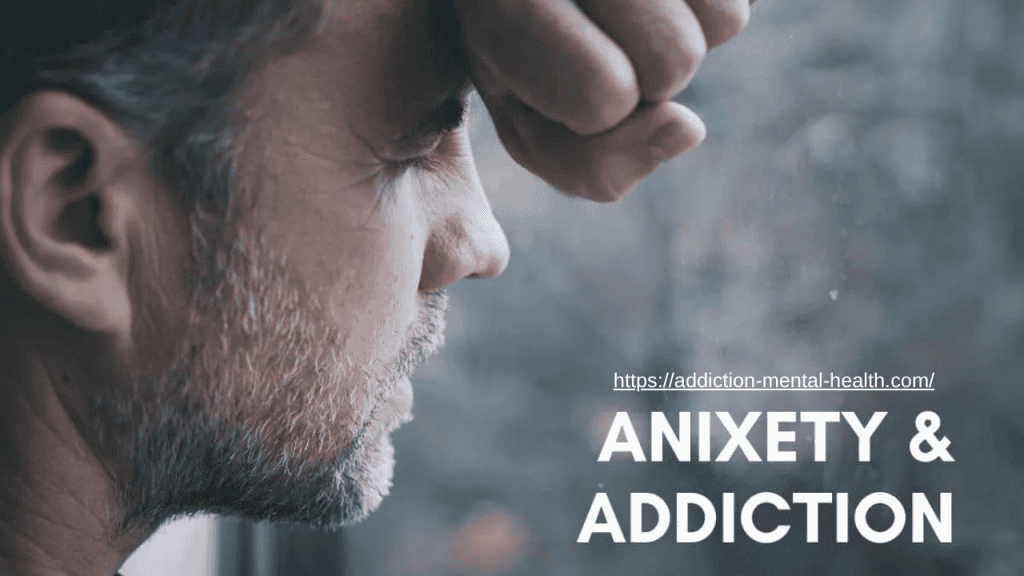
Addiction and anxiety often go hand in hand, creating a cycle that can feel impossible to escape. Many people turn to drugs or alcohol as a way to cope with overwhelming anxiety, while others find that substance use only worsens their symptoms over time. The good news is that lasting relief is possible through integrated treatment—care that addresses both addiction and mental health together. At Addiction & Mental Health, we believe in a whole-person approach that restores balance, hope, and long-term healing.


Understanding the Connection Between Addiction and Anxiety

How they influence each other

Addiction and anxiety are deeply connected. Anxiety can lead individuals to seek temporary relief through substances, while drug or alcohol use can alter brain chemistry, heightening anxiety when the effects wear off. This creates a dangerous loop where both conditions feed one another. Without treating both at the same time, recovery often remains incomplete.

The importance of identifying co-occurring disorders

When someone experiences addiction alongside anxiety, depression, or another mental health disorder, it is known as a co-occurring disorder. These conditions require specialized care that recognizes how mental and physical health interact. At Addiction & Mental Health, every client receives an assessment to identify underlying issues and ensure that treatment targets all aspects of their well-being.


What Integrated Treatment Looks Like

A personalized approach to dual recovery

Integrated treatment means addressing addiction and mental health in a coordinated way. Our team of licensed professionals creates individualized treatment plans that may include therapy, medication management, and holistic practices such as mindfulness or fitness programs. By combining medical expertise with emotional and spiritual support, clients gain the tools to manage anxiety while maintaining sobriety.

Inpatient and outpatient options

Recovery is not one-size-fits-all. For some, inpatient care offers a safe and structured environment to focus on healing without distractions. For others, outpatient programs provide flexibility to continue working or caring for family while receiving consistent therapeutic support. Both options are designed to help clients build resilience and develop healthy coping skills that support long-term stability.


The Role of Holistic and Faith-Based Care

Healing extends beyond clinical treatment. Holistic and faith-based programs nurture the mind, body, and spirit, offering balance and peace during recovery. Techniques such as meditation, nutritional guidance, exercise, and spiritual reflection promote emotional grounding and inner strength. These practices encourage clients to find deeper meaning in their recovery journey and reconnect with their sense of purpose.


Finding Hope and Relief Through Integrated Care

When anxiety and addiction are treated together, recovery becomes more effective and sustainable. Clients learn to understand their triggers, manage emotions, and build confidence in their ability to maintain sobriety. Integrated care also helps restore relationships, improve daily functioning, and reduce the risk of relapse.


Take the First Step Toward Healing

If anxiety and addiction have been controlling your life, know that you are not alone and that help is available. Integrated care can provide the structure, guidance, and compassion needed to break free from the cycle and find lasting relief. At Addiction & Mental Health, we are committed to helping individuals heal through evidence-based, holistic, and faith-inspired care.

Reach out today to take the first step toward peace, purpose, and long-term recovery. Healing starts with hope—and that hope starts here.